Applications of ceiling crane
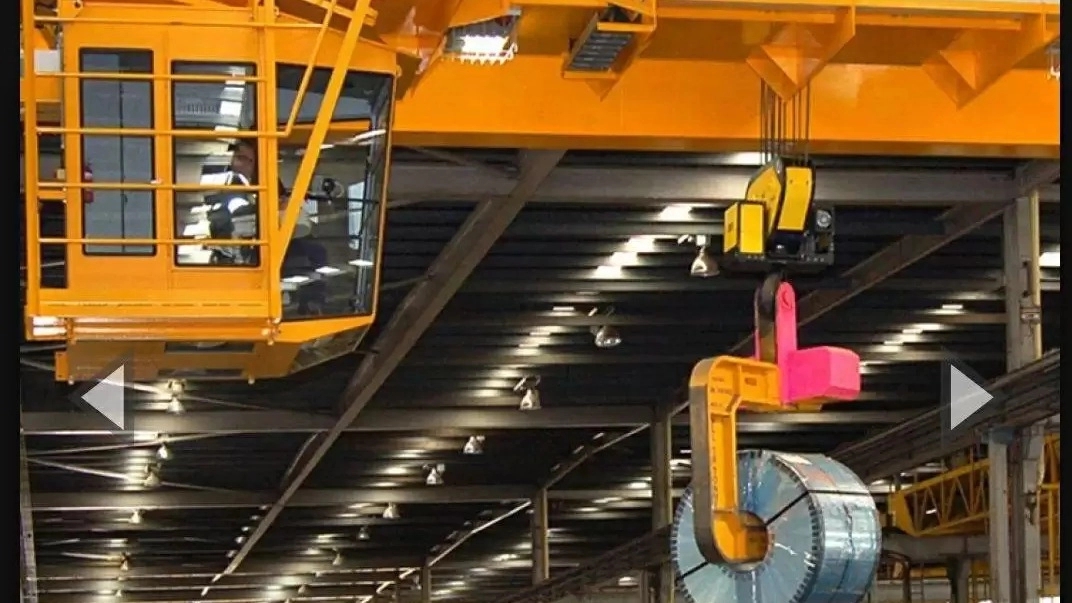
Let's get to know the overhead crane a little easier and get to know it. As it is clear from the name of this type of crane, the overhead crane is a device that is installed in the upper part of the shed columns in workshops or factories. These types of cranes are made of single-bridge types, such as single-bridge overhead cranes, single-bridge overhead cranes, double-bridge overhead cranes, and double-bridge overhead cranes. Note that the components of single-bridge and double-bridge overhead cranes are not much different from each other except in limited cases.
Single-bridge overhead crane uses one bridge for shifting and luxury of weight, and double-bridge overhead crane, such as: overhead two-bridge overhead crane and double-bridge overhead crane from two bridges. It is used to move around and bear weight. Therefore, it is clear that all types of double bridge overhead cranes are able to move very high weights. Therefore, it can be said that these types of cranes are mainly used in large factories. Therefore, based on these two factors, it can be concluded that the price of the overhead crane with two electric bridges can be the most expensive type of overhead crane. Of course, which brand or which country produced it and what after-sales service it provides is also very important in pricing.
Therefore, if we want to summarize, a ceiling crane is considered a type of crane that, by connecting to the ceiling, provides the possibility of horizontal and vertical movement of heavy objects from several hundred kilos to several hundred tons. Don't you think this is a miracle? A device that can lift a few hundred tons of cargo for us and transfer it to another point? This is what many small and large industries call a miracle!
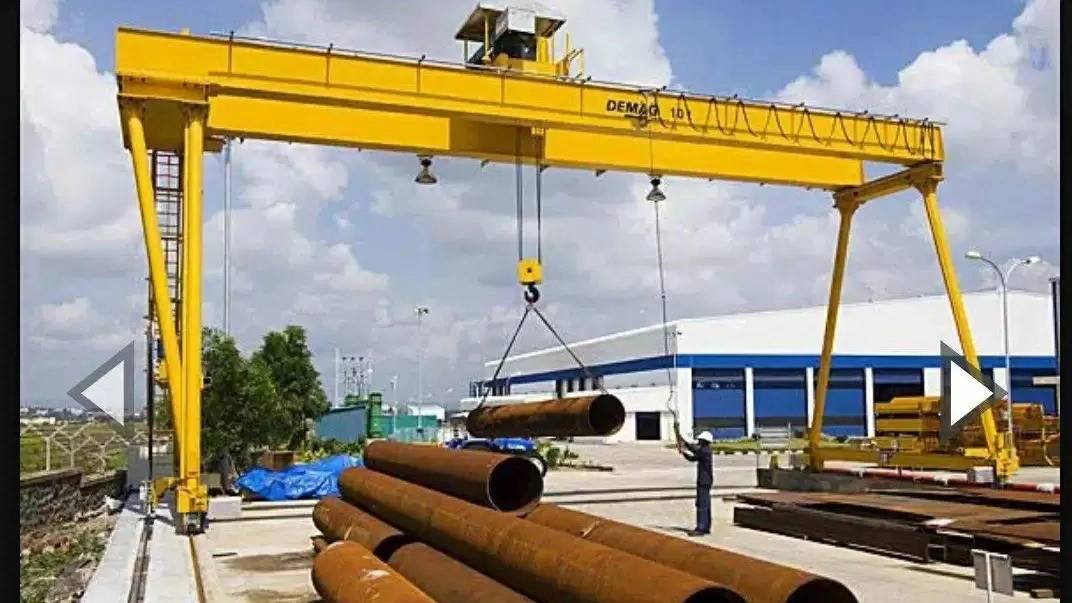
Crane crane components
But let's look a little more closely and technically at the overhead crane. The most important part of overhead crane and any other crane is its winch. A winch is a device that produces the necessary power to move objects. In fact, the fact that you can see that a crane in different models can move objects of several hundred tons, all goes back to the technology of making its winch. The winch is made of three basic components: motor, gearbox and drum.
Let us explain a little more. The winch converts the force we give it into mechanical force, and the gearbox adjusts this force according to the user's needs and transfers it to the drum. The drum also causes the load to move by converting the received force into a driving force. Now, the input power can be electric, gasoline, hydraulic, etc. In fact, it mostly depends on the manufacturer and of course your needs. But this is not the whole story. The force entered into the winch must be restrained in some way. In all types of trolley or trolley overhead cranes, they are responsible for receiving and neutralizing this force with the help of bridges.
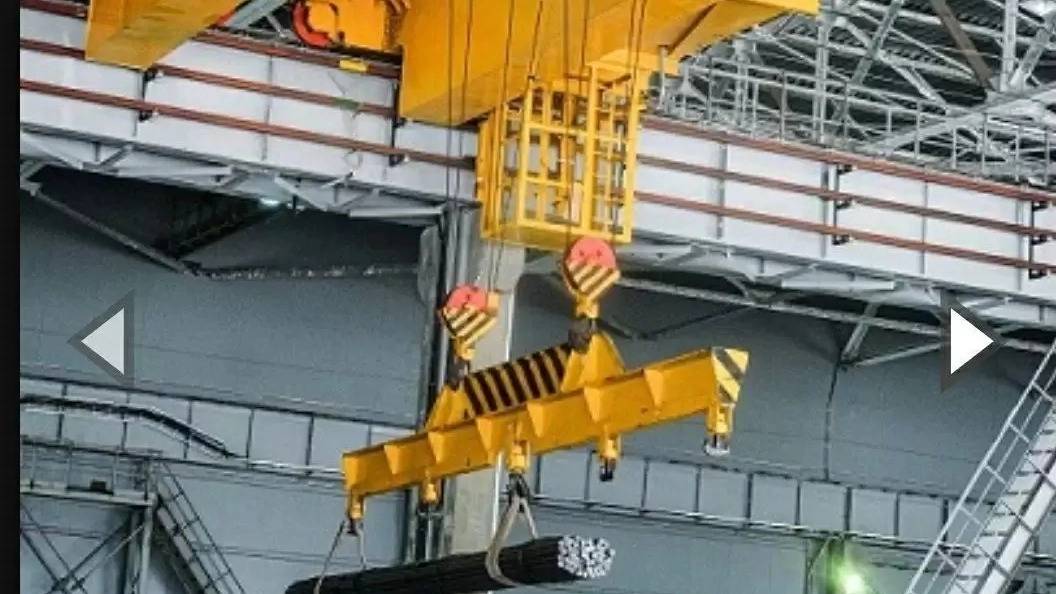
These bridges and the aforementioned trolley must be able to withstand and neutralize the maximum defined force without bending or breaking. Four up and down movements of the crane are done with the help of winch and trolley. However, the north and south movement of the crane is carried out by the guide or clegi, which is a mechanical structure that is made in the form of a box from ST37 sheet or standard sections such as studs or beams and is coupled to the flange of the bridge by a flange on the side. The guide (or head) may be equipped with a driving and moving wheel box at the beginning and end, or the wheels can be placed inside the head box itself. The length of the head box depends on the opening of the crane and its design and construction is done according to the DIN15018 standard.